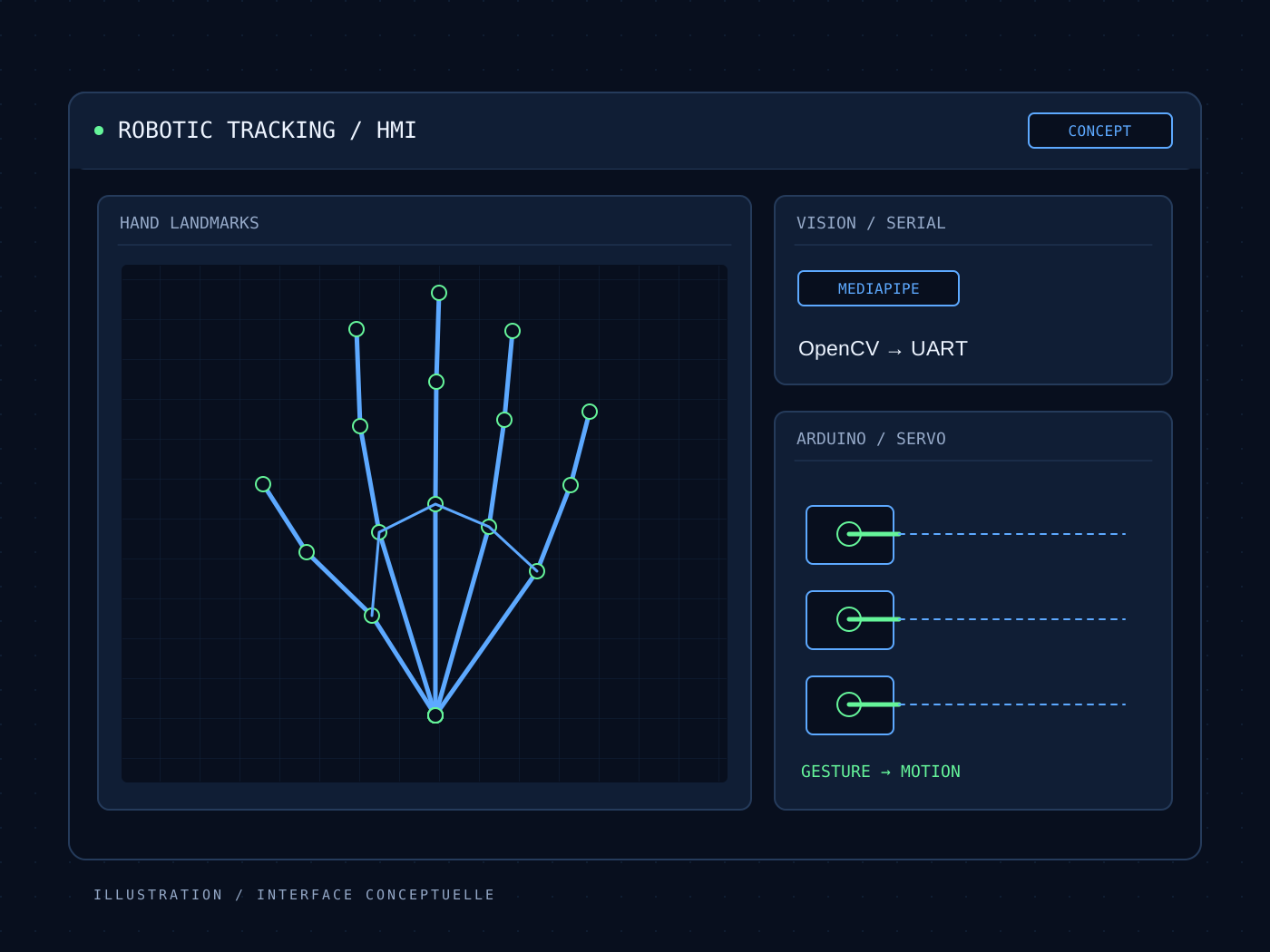
 Illustration
Gesture to motion.
A robotic hand that mirrors human gestures through computer vision and servo control.
Explore the projectUAV / Computer vision / ATAK
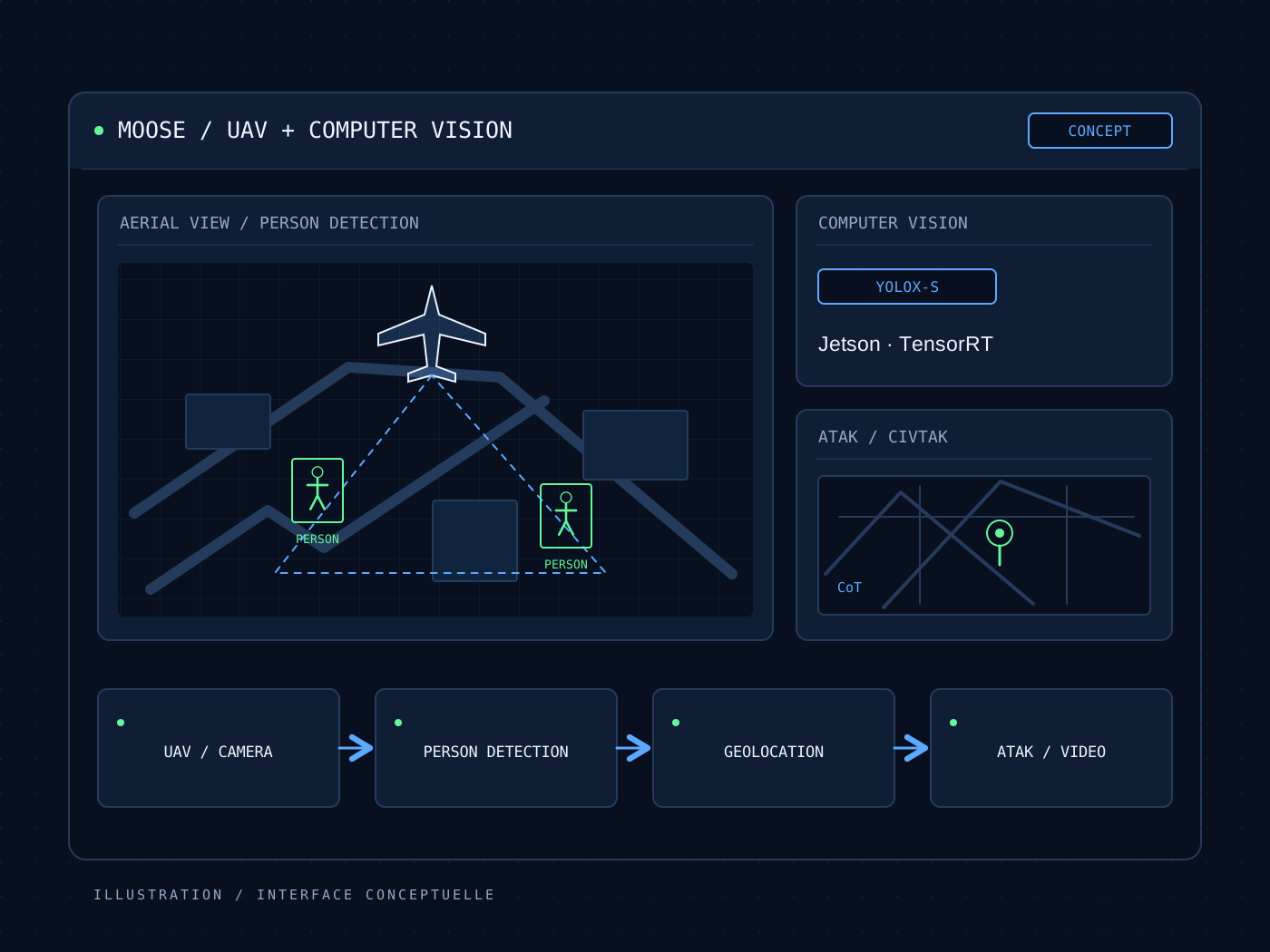
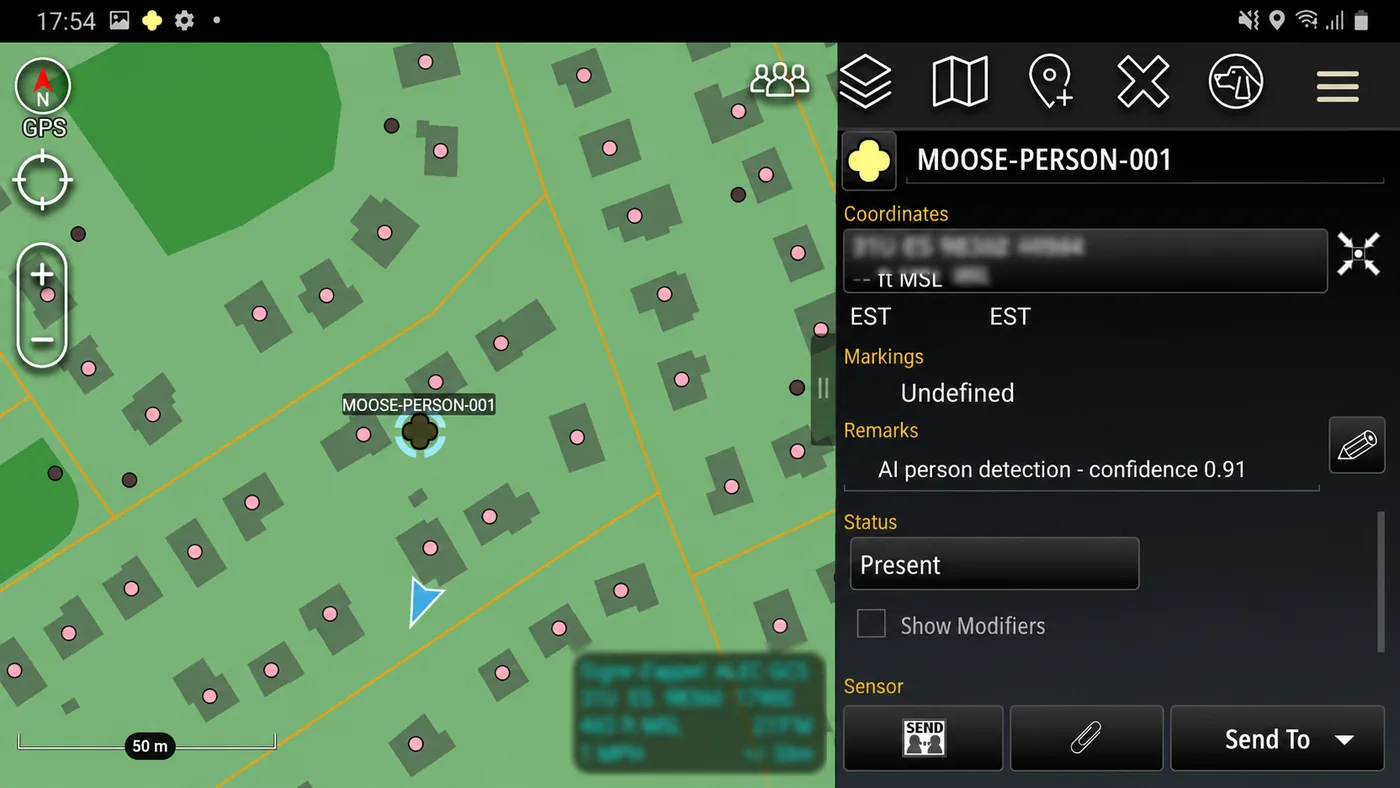
Aerial person detection. Computer vision on a fixed-wing UAV, connected to ATAK.
01 / The challenge
Bring camera, telemetry, machine perception and ground-station display together on an embedded computer, while keeping the mission software separate from flight-critical control. Aerial images add another difficulty: people can be small, partly hidden and very different from the images a generic detector was trained on.
MOOSE brings together two complementary projects: a Jetson-based mission computer and a dedicated aerial person-detection workflow. Camera frames and flight-controller telemetry feed a ROS 2 pipeline that produces detections, estimated ground positions, live video and mission logs. ArduPilot retains all flight control; the Jetson observes and processes data without commanding aircraft movement.
02 / The approach
Separate the onboard system into ROS 2 packages for camera capture, MAVLink telemetry, vision, geolocation, ATAK output, streaming, health monitoring, logging and startup.
Fine-tune YOLOX-S on aerial imagery with sequence-aware dataset splits and duplicate checks. Compare the model against the COCO baseline on independent frozen test sets.
Export to ONNX, verify numerical equivalence with PyTorch and integrate TensorRT inference on the Jetson.
Validate the complete path from camera and telemetry to ATAK/CivTAK markers and SRT video, including service startup, reboot recovery and mission recording.
03 / Outcomes
04 / Scope & next steps
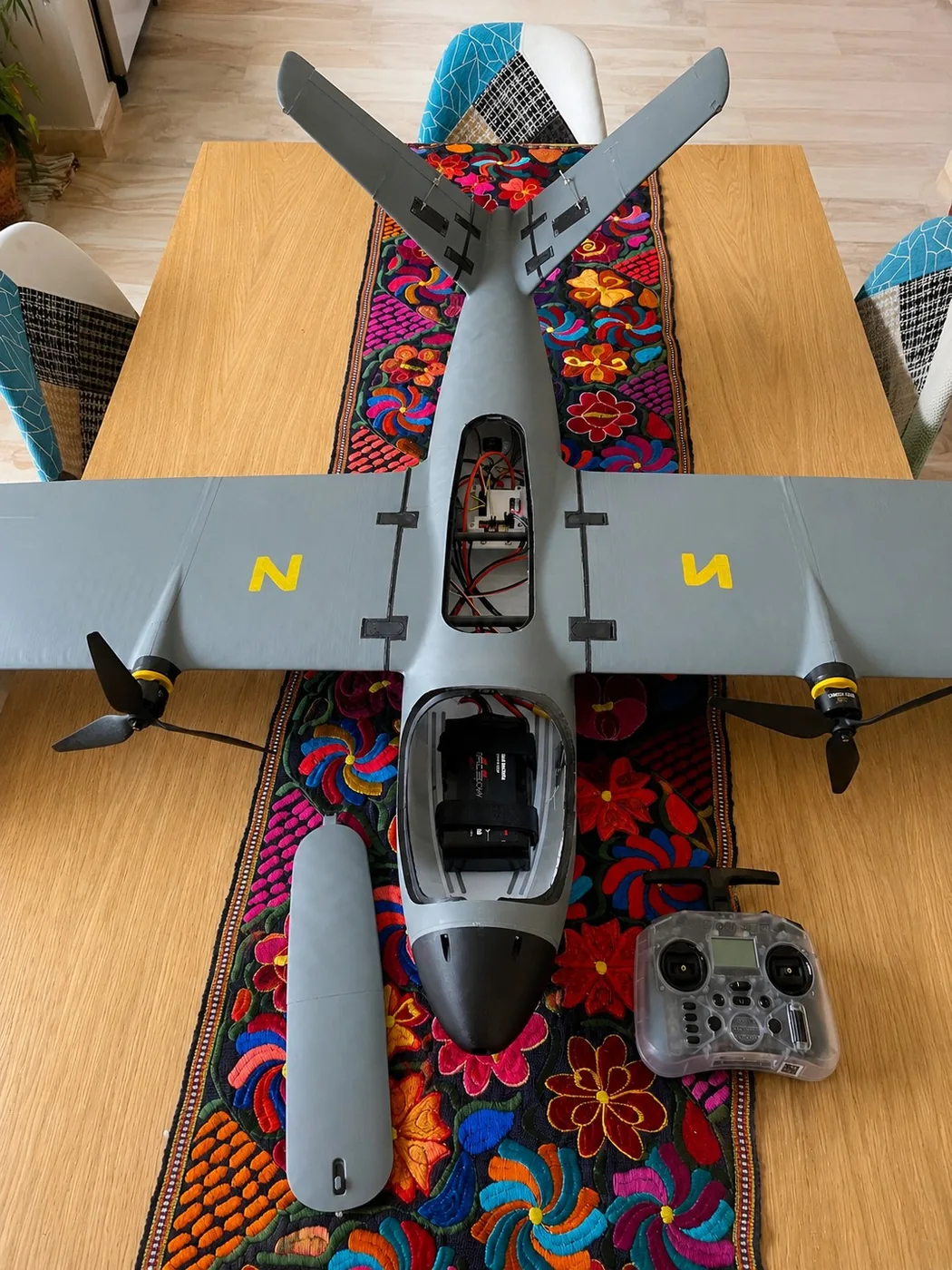
Built on the Flightory Moose airframe, ArduPilot, ROS 2 and YOLOX. Dataset and model terms are documented in the source repositories.
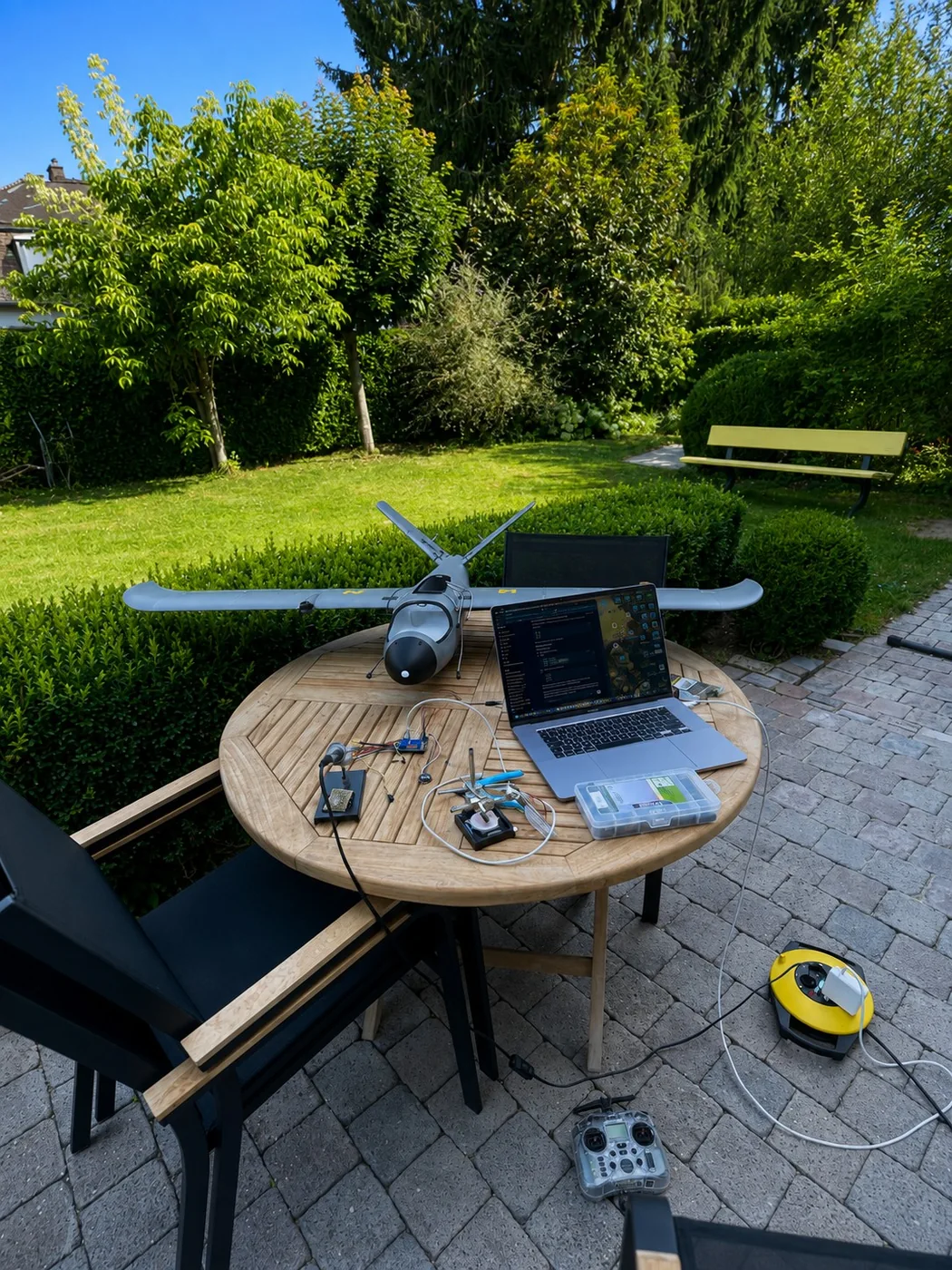
Field notes / Visual documentation
Continue exploring
IllustrationA robotic hand that mirrors human gestures through computer vision and servo control.
Explore the project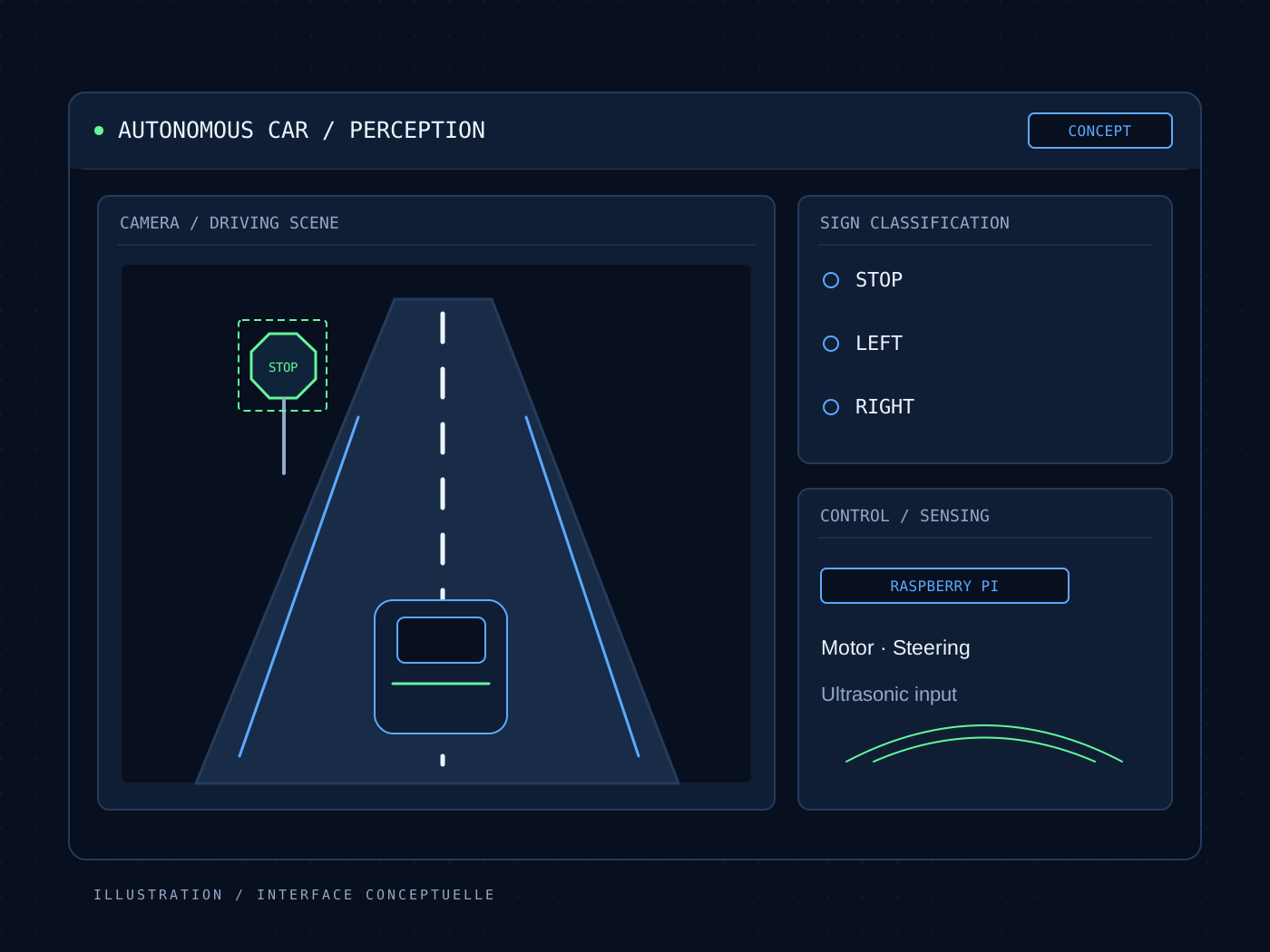 Illustration
Traffic-sign recognition, a Raspberry Pi and an ultrasonic sensor bring perception into motion.
Explore the project