 Illustration
File sharing, with access in mind.
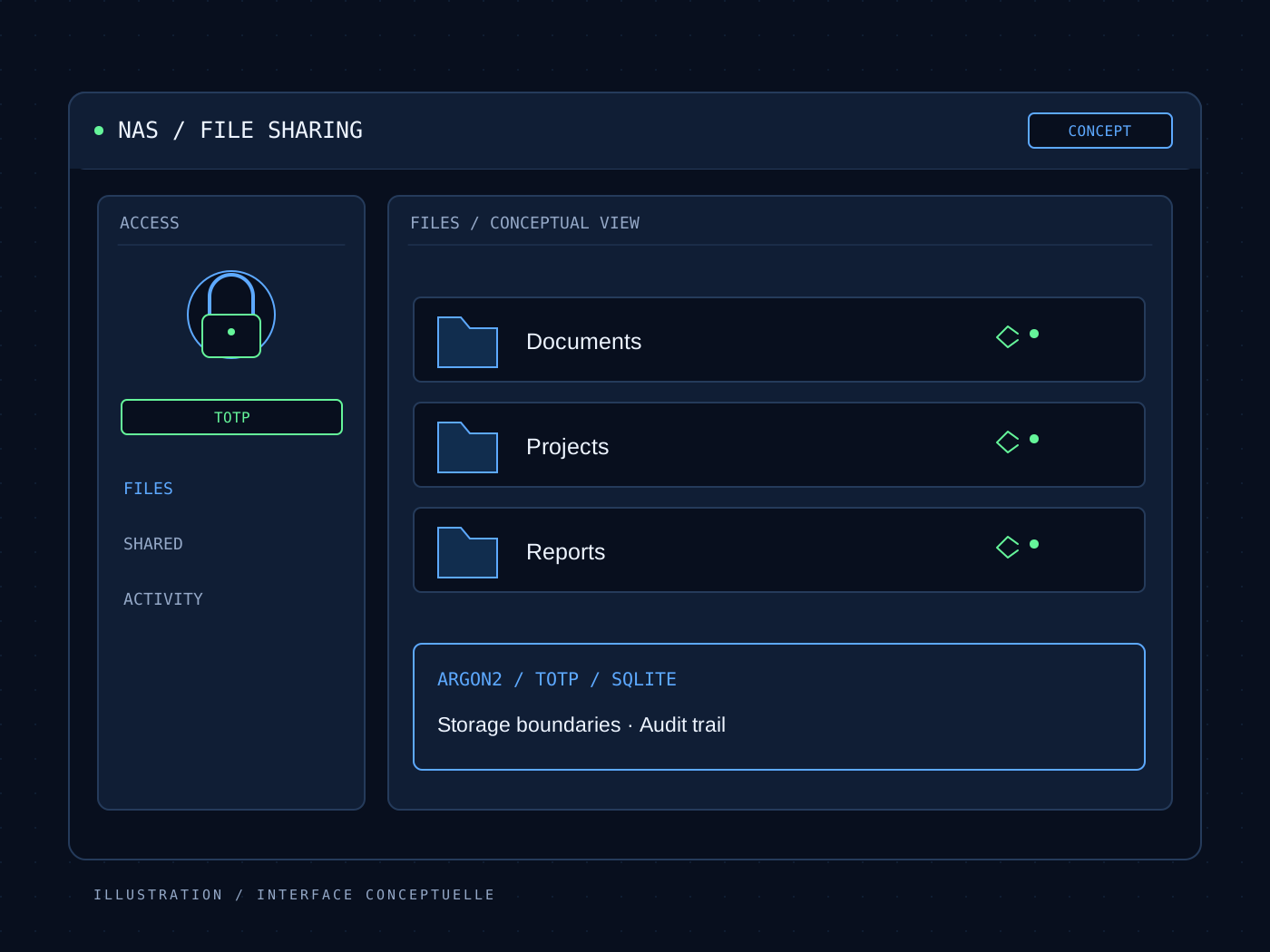
An educational file-sharing application with two-factor authentication, isolated storage and audit logs.
Explore the projectSoftware / Client–server architecture
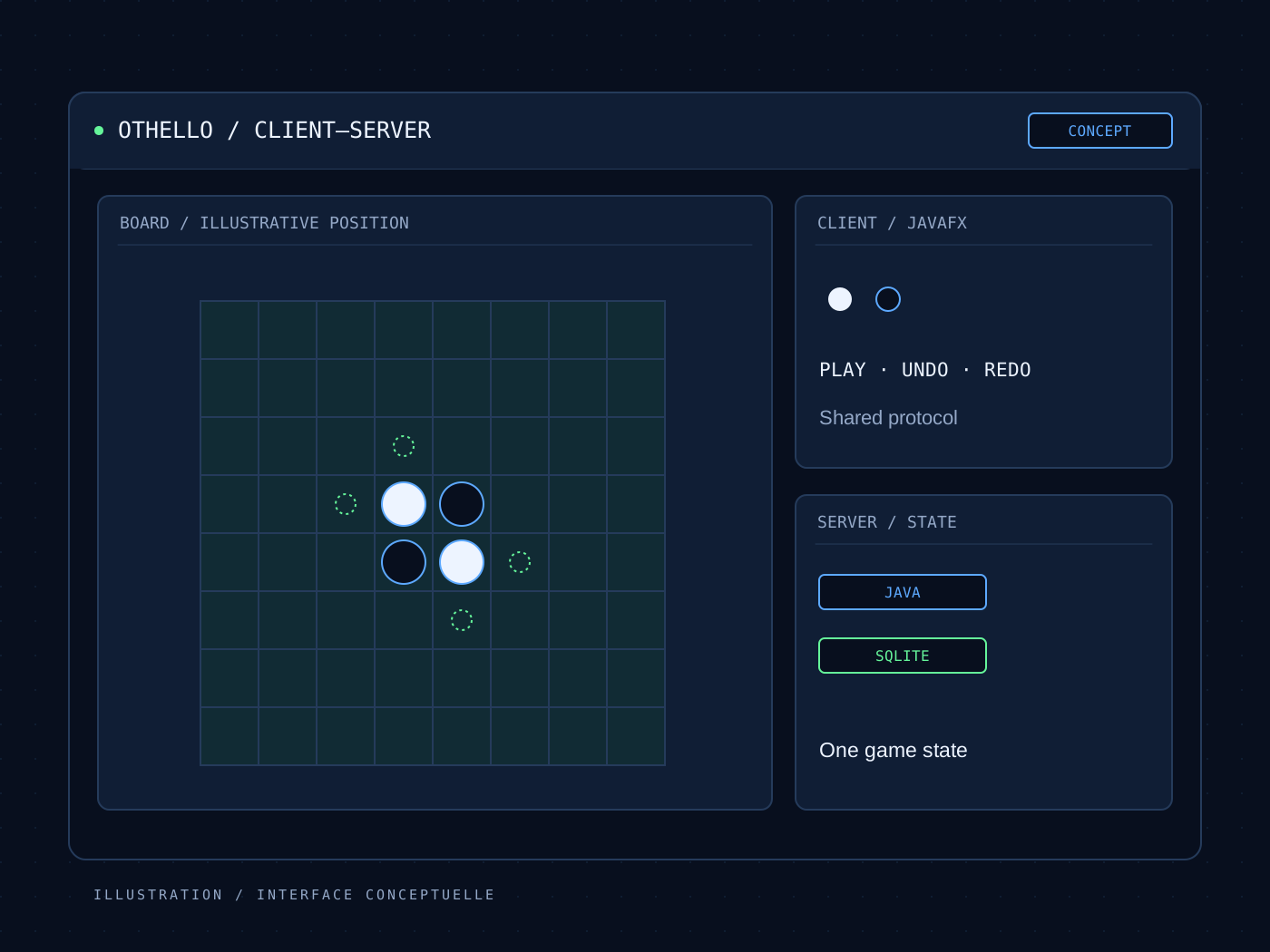
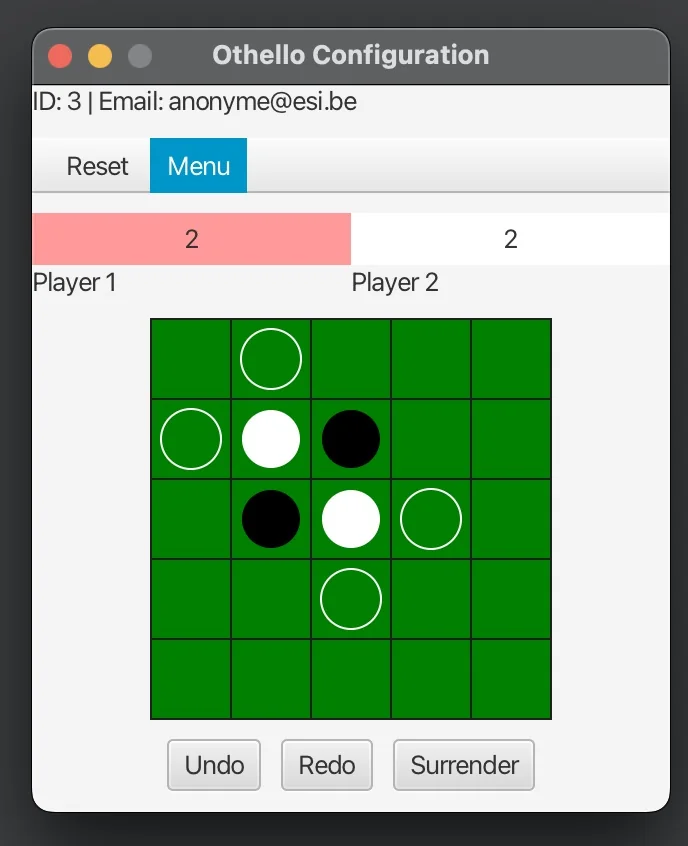
A JavaFX Othello client backed by a Java server, a shared message protocol and SQLite persistence.
01 / The challenge
Keep game rules, user actions, persistent data and client updates consistent across a network boundary.
A networked Othello implementation separates the user interface, game authority and common protocol into Maven modules. The server owns the game state, while clients request actions and render updates.
02 / The approach
Define a common message contract between client and server.
Keep state changes on the server and send updated game information to clients.
Apply strategy, command and data-access patterns to CPU opponents, undo/redo and persistence.
03 / Outcomes
04 / Scope & next steps
Field notes / Visual documentation
Continue exploring
IllustrationAn educational file-sharing application with two-factor authentication, isolated storage and audit logs.
Explore the project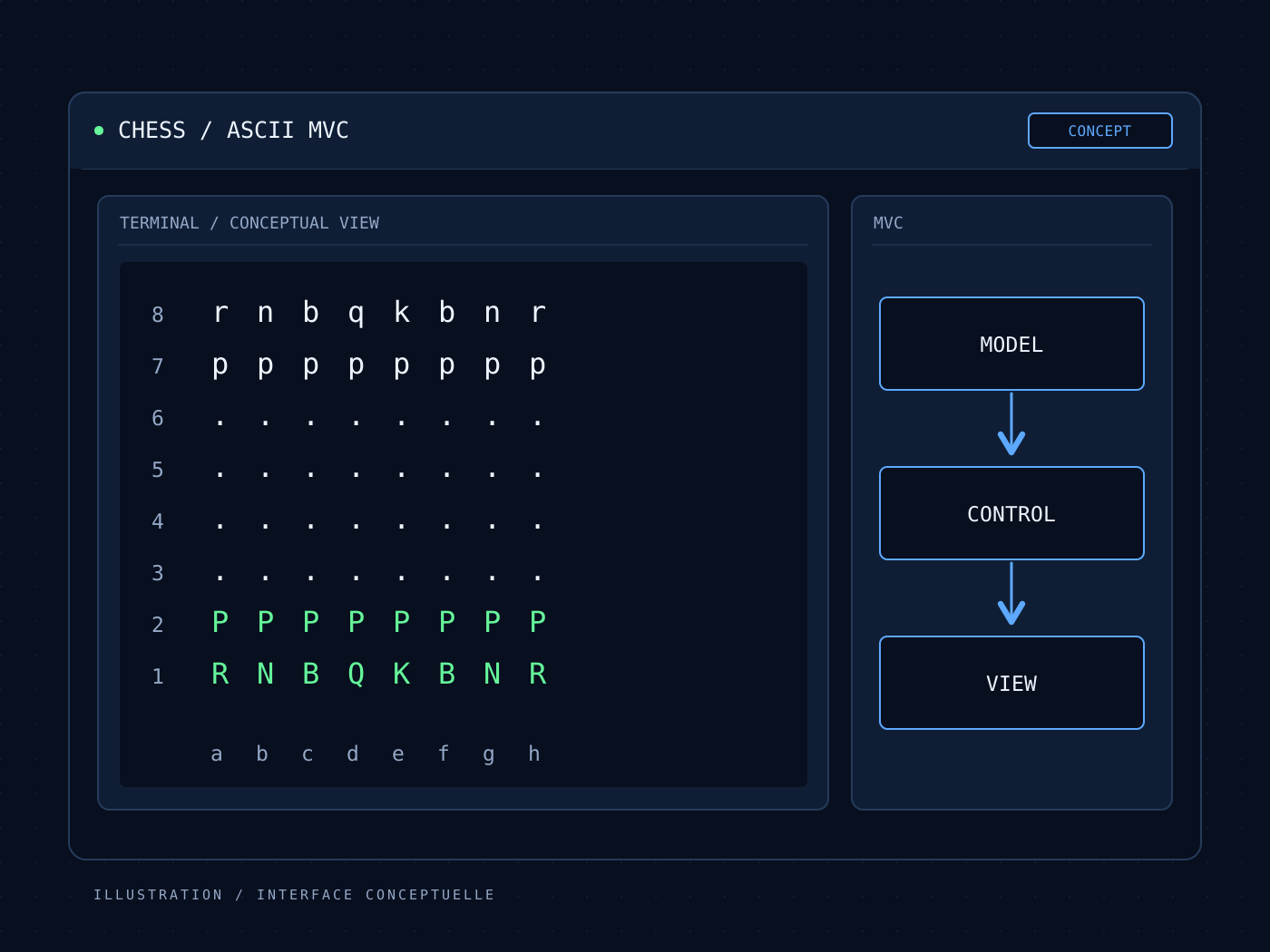 Illustration
A text-based chess project built around domain modelling, MVC and unit tests.
Explore the project